
Marine noise insulation plays a pivotal role in enhancing comfort on vessels, especially for those who spend significant amounts of time on water. From reducing engine noise to insulating sounds from the surrounding environment, effective marine soundproofing materials are essential for a serene maritime experience. In this comprehensive guide, we’ll explore various materials that provide exceptional noise insulation for marine environments, offering insight into their effectiveness, advantages, and application methods.
The Importance of Marine Noise Insulation
Sound travels differently in the water, and vessels often generate unwanted noise that can disturb passengers and crew alike. The sources of these noises include engine vibrations, mechanical operations, water turbulence, and external weather conditions. For those who seek peaceful voyages or need to meet stringent noise regulations, investing in high-quality marine noise insulation becomes a necessity. The key to success lies in selecting the right materials that absorb, deflect, or dampen sound effectively.
What to Look for in Marine Soundproofing Materials?
When evaluating materials for marine soundproofing, certain characteristics should be prioritized. These include:
Sound Absorption: The ability of the material to absorb sound waves and reduce their intensity.
Durability: Materials that can withstand harsh marine environments without degrading over time.
Water Resistance: Moisture resistance is crucial for ensuring long-lasting performance.
Ease of Installation: Materials that are simple to install and require minimal maintenance.
By considering these factors, you can select materials that not only enhance noise insulation but also offer durability and reliability.
Top Materials for Marine Noise Insulation
1. Foam Rubber Insulation
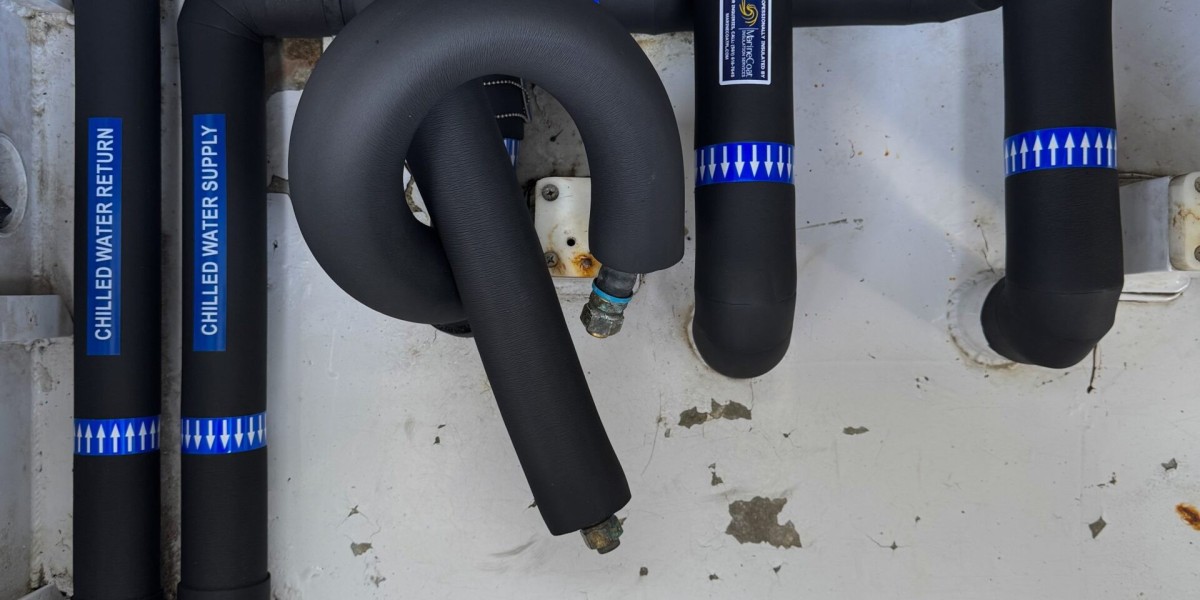
One of the most popular choices for marine noise insulation, foam rubber provides excellent sound-dampening properties. Its cellular structure traps air, making it a superior material for reducing vibration and impact noises. Foam rubber is particularly effective when used in engine rooms, where noise from mechanical components can be overwhelming. Available in various thicknesses and densities, foam rubber can be easily cut to fit specific areas of the boat, ensuring a snug and effective fit.
Advantages:
Excellent sound absorption qualities
Water-resistant, preventing mold growth
Lightweight and flexible, making it easy to handle
2. Mass Loaded Vinyl (MLV)
Mass Loaded Vinyl, or MLV, is another high-performing material frequently used in marine soundproofing. This dense, flexible material works by adding mass to the walls, ceilings, or floors of the vessel, effectively blocking sound from traveling through. It is particularly effective in reducing low-frequency noises such as engine hum or vibrations from the hull.
Advantages:
High density for blocking low-frequency sounds
Flexible and easy to install in various areas
Waterproof and resistant to mildew
3. Acoustic Foam Panels
Acoustic foam panels are commonly used in marine environments to reduce noise and improve sound quality within confined spaces. These panels come in various shapes, including wedges and pyramids, and are designed to absorb sound waves, particularly in high-frequency ranges. When placed in engine rooms, cabins, or corridors, acoustic foam can significantly reduce echoes and reverberations, providing a quieter and more comfortable atmosphere.
Advantages:
Effective at absorbing high-frequency sounds
Lightweight and easy to install
Can be used in combination with other materials for optimal results
4. Fiberglass Insulation
Fiberglass insulation is a cost-effective and versatile option for marine noise insulation. It consists of tiny glass fibers that trap air, reducing both thermal and acoustic transmission. Fiberglass insulation can be placed in walls, ceilings, and floors to prevent sound from traveling through the boat. It’s especially effective in reducing noise from external sources, such as waves crashing against the hull.
Advantages:
Great for both heat and sound insulation
Available in various forms (batts, rolls, or loose-fill)
Non-combustible and resistant to fire
5. Cork Sheets
Cork is a natural, eco-friendly material that has been gaining popularity in marine soundproofing applications. Its ability to absorb sound waves makes it an effective material for reducing noise levels on boats. Cork sheets are often used in cabins or sleeping areas where comfort is a priority. Additionally, cork is resilient and resistant to moisture, making it ideal for marine environments.
Advantages:
Sustainable and eco-friendly
Highly effective at absorbing sound vibrations
Moisture-resistant and durable
6. Rubber-Based Composite Materials
Rubber-based composites, such as rubber mats or sheets, are highly effective in marine noise insulation due to their dense, pliable nature. These materials are often used to dampen vibrations from engines and machinery. The ability of rubber to absorb and deflect sound makes it ideal for use in areas where mechanical noise is prevalent, such as in the engine room or near the propeller shaft.
Advantages:
Excellent vibration and sound dampening
Flexible and durable
Resistant to moisture and corrosion
Installation Tips for Marine Noise Insulation
Installing marine soundproofing materials requires attention to detail to ensure maximum effectiveness. Here are some tips for proper installation:
Seal Gaps and Joints: Ensure that all seams, gaps, and joints are properly sealed with soundproofing caulk or adhesive. Even small openings can let sound escape.
Use Multiple Layers: Combining different materials can provide superior soundproofing. For example, combining MLV with foam rubber or acoustic foam can enhance the overall sound insulation performance.
Cover Vulnerable Areas: Pay particular attention to areas that are prone to high levels of noise, such as engine rooms, exhaust pipes, and hull sections. Applying insulation directly to these surfaces will yield the best results.
Maintaining Your Marine Noise Insulation
To keep your marine noise insulation working effectively, regular maintenance is crucial. Check for wear and tear, especially in areas that are exposed to high moisture levels. Replacing damaged sections promptly will ensure that your vessel remains as quiet and comfortable as possible.
Conclusion: Enhancing Your Maritime Experience with Noise Insulation
Investing in high-quality marine noise insulation materials can drastically improve the comfort and livability of your vessel. Whether you're looking to reduce engine noise, improve acoustics in the cabin, or protect against external noise pollution, the right insulation materials can make a significant difference. With a variety of options like foam rubber, MLV, fiberglass, cork, and rubber-based composites, there’s a material to suit every need. By carefully selecting and properly installing these materials, you’ll create a quieter, more enjoyable environment for your maritime adventures.